







Why More Buyers Are Looking Beyond Traditional Stones
Buying a diamond used to follow a fixed path. You walked into a store. You looked at a few pieces under bright lights. You paid a high price and trusted the label in front of you. That process has changed. You now compare prices online. You check grading reports. You read reviews from buyers in Sydney, Perth and Melbourne before making a decision. You want a stone that looks clean, bright and durable without paying for a mining chain that adds extra cost. This is why many buyers are turning toward lab grown diamonds. The interest is not only about price. It is also about control. You can compare the shape, clarity cut and carat size more easily than before. You can find larger stones within the same budget. You can also avoid the uncertainty that often comes with older supply chains. For most people the real goal is simple. They want a diamond that looks beautiful in daily life and holds up over time without overspending.
What Makes These Stones Different
A diamond made in a lab is still a real diamond. It has the same chemical structure as one formed underground. The difference comes from where it is produced. Natural stones form under the earth over long periods. Lab production recreates those same conditions in a controlled environment. To the naked eye there is no visible difference between the two when quality levels are equal. This matters because many buyers assume they are purchasing a substitute or imitation. That is not accurate. Examples people often confuse with diamonds:
- Cubic zirconia
- Moissanite
- Glass crystal
Those are different materials. A lab diamond is still a diamond.
How Pricing Changes the Buying Experience
Price is one of the biggest reasons people explore this option. A traditional mined stone often carries costs linked to extraction, transport storage and retail markup. A controlled production process removes many of those layers. This creates more flexibility for you. Instead of choosing between size and quality you may be able to improve both within your budget. Example: A buyer with a fixed budget might choose:
- A smaller mined diamond with lower clarity
- Or a larger lab stone with better cut quality
Most buyers notice sparkles before they notice the origin. That is why cut quality deserves more attention than marketing language. A well cut stone reflects light better. Even a smaller diamond can appear brighter and cleaner when the cut is strong.
What You Should Check Before Buying
Do not buy based only on appearance. Always review the grading details. Focus on these areas first:
- Cut quality
- Clarity grade
- Colour grade
- Carat weight
- Certification
Cut should usually come first because it affects brilliance the most. Certification also matters. Look for grading from recognised labs such as IGI or GIA. A report gives you measurable details instead of sales language. If you shop online ask for:
- 360 degree video
- Close up images
- Return policy details
- Ring setting specifications
These details help you avoid surprises after delivery.
Common Mistakes Buyers Make
Many people rush into the process after seeing a low price. That often leads to weak choices. One common mistake is focusing only on carat size. A larger stone with poor cut quality can look dull. Another mistake is ignoring the setting. Even a strong diamond can appear average in a weak setting design. You should also avoid buying without checking dimensions. Two diamonds with the same carat weight can appear different in size depending on cut proportions. Another issue comes from unclear return terms. Some stores charge hidden resizing or return fees. Before purchasing, ask direct questions. Example: Can the ring be resized later? Is the certificate included? What happens if the stone arrives damaged? How long is the return window? Direct questions save time later.
Why Buyers in Australia Are Comparing Online Options
https://picvault.xyz/uploads/6a1003ff272f1.png

Australian buyers now have access to far more choices than before. Stores in Brisbane, Adelaide and Sydney compete with international sellers online. This increases price transparency. You can compare:
- Stone dimensions
- Certification quality
- Metal types
- Setting designs
- Delivery timelines
Local stores still matter because some buyers want to see rings in person before purchasing. Others prefer online pricing because it allows broader comparison. There is no single correct method. The better approach is to compare both. Visit a local showroom first if possible. Learn how different cuts reflect light. Then compare those observations against online listings. That gives you a more balanced view of value.
Durability and Daily Wear
Diamonds are chosen for long term use. Engagement rings are worn daily. Earrings face dust, heat , moisture and accidental impact. Durability matters more than trends. Lab created diamonds rank the same on hardness as mined diamonds. They are suitable for daily wear when properly set. Still you should maintain the jewellery correctly. Basic care includes:
- Cleaning with mild soap and warm water
- Storing pieces separately
- Checking prongs for looseness
- Avoiding harsh chemical exposure
A simple cleaning routine helps maintain brilliance over time.
Resale and Long Term Expectations
Some buyers ask about resale value before purchase. That question matters but it should be viewed realistically. Most jewellery loses value after retail purchase regardless of origin. Retail markup insurance and design trends all affect resale pricing. You should buy based on personal use first. If long term resale is your main goal you may approach the purchase differently from someone choosing an engagement ring for daily wear. This is why clear expectations matter before spending money. Ask yourself: Are you buying for emotional value? Appearance? Budget efficiency? Long term collecting? Your answer changes what makes sense for you.
How to Make a Smarter Final Choice
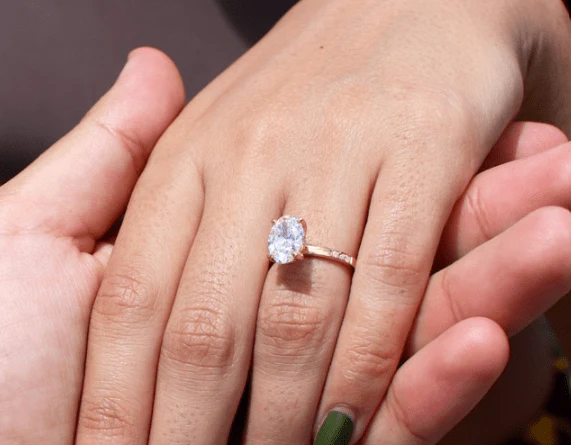
Start with a budget you are comfortable keeping. Do not stretch your finances for branding. Next choose the shape you prefer. Round cuts remain popular because they reflect light strongly. Oval and cushion cuts often appear larger visually. After that focus on cut quality first then clarity and colour. If you are comparing several stones side by side, slow down and check the details instead of reacting to size alone. A smaller well cut diamond often creates a cleaner look than a larger poorly cut option. You should also compare the ring setting carefully. Thin bands, delicate claws and hidden halos all change the final appearance. The setting should support the stone instead of overpowering it.
Questions Buyers Often Ask
Are lab diamonds considered real diamonds?
Yes. They have the same chemical and physical structure as mined diamonds.
Do these diamonds last as long as natural ones?
Yes. They are durable enough for daily wear including engagement rings and earrings.
Can you tell the difference without equipment?
Most people cannot identify the difference by sight alone when quality levels are similar.